

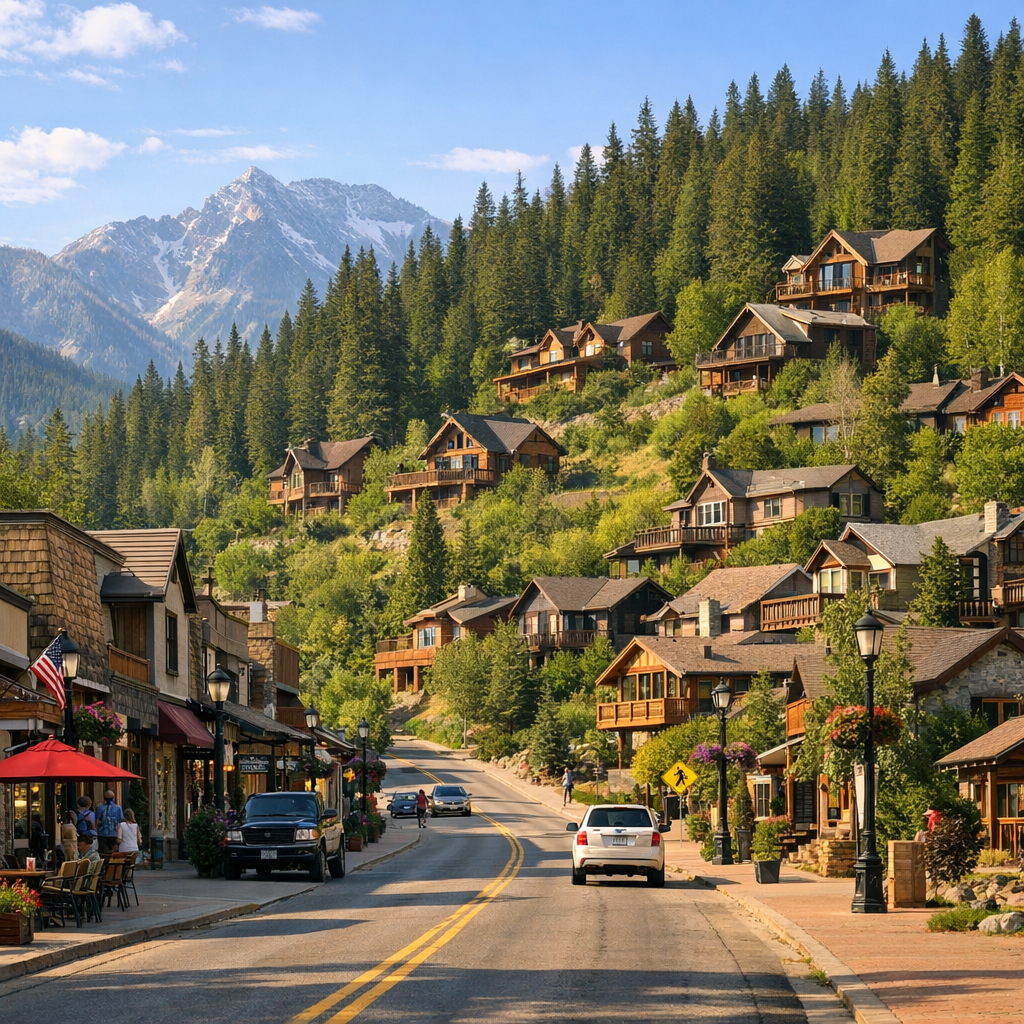
My name is James Garcia, and I’ve called Bailey home for more than a decade now. I have lived up on the ridge in Burland Ranchettes, watched our town change, seen traffic inch along Highway 285 more often, and felt the tension between wanting our community to thrive and fearing what rapid growth might bring.
The Changing Face of Bailey
We’re no longer just a remote stop off the highway. With Boulder, Denver, and the Front Range pushing out, people are choosing Bailey for its wide-open skies, history, and natural beauty. Many of these newcomers commute daily, bringing new energy and resources—and new challenges. Subdivisions built on large parcels, car-dependent life, and the sense that many of us run errands by driving miles are becoming the norm. Locals tell me these are not just inconveniences—they’re gaps that affect community cohesion.
Meanwhile, the Park County Strategic Master Plan highlights the need for better infrastructure: sidewalks, trails, diversified housing, and essential amenities, including grocery options and broadband. Many of these ideas feel both necessary and overdue.
Living in the Wildland-Urban Interface
One of the clearest tensions in Bailey is the wildfire risk. Surrounded by dense forest and steep terrain, we’re living in one of the zones experts call “wildland-urban interface.” Over the past few years, wildfire seasons have worsened across Colorado—and despite the risks, not everyone in Bailey shares the same understanding of vulnerability or readiness.
Efforts by local leaders, HOAs, and volunteers—like Fire Adapted Bailey—offer strong models. They bring neighbors together, advocate for thinning trees, maintain defensible space around homes, and help with clearing evacuation routes. But these efforts are patchwork, and often voluntary. We need more consistent communication, clearer guidelines, and easier access to mitigation resources.
What I Believe We Need as a Community
Here’s what I think would help us balance growth, safety, and responsible stewardship:
- Community-wide wildfire education: Workshops, demonstration projects, or block-level planning where experts visit neighborhoods and help property owners create defensible space.
- Paths and walkability: Build sidewalks, crosswalks, and trails to link our subdivisions with downtown, businesses, and shared spaces. This won’t just reduce car dependence—it gives people a reason to walk, connect, talk.
- Diverse housing options: More workforce housing, multi-family units, and senior-friendly dwellings close to town would help reduce sprawl and preserve wild areas.
- Infrastructure upgrades: Improved water systems, reliable broadband, better waste management—these aren’t luxuries. They’re necessities if more people live here full-time.
- Engage long-time residents and recent arrivals: We have to bridge the gap. Those of us who remember when we were isolated, and those who moved here last year—both groups have things to teach and fears to voice. Listening needs to go both ways.
A Personal Reflection
I built my house among the pines because I love the smell of resin after rain, the quiet nights, the sight of Milky Way stretching overhead. But I don’t love the idea of being completely vulnerable when fire season comes, or having to drive 20 minutes just for groceries or a prescription. I think many of us moved here for peace—but peace doesn’t mean standing still.
Looking Forward
If we want Bailey to remain the kind of place people up here are proud of—rooted in history, full of character, connected to nature—we’ll need to plan with intention. Growth is inevitable; what matters is how we shape it. We can’t pretend that big change isn’t knocking at our doorstep. But we *can* decide if we open the door willingly, thoughtfully, together.
Please, let’s hold onto what makes Bailey special—and build in ways that keep everyone safer, connected, and proud to call this place home.