

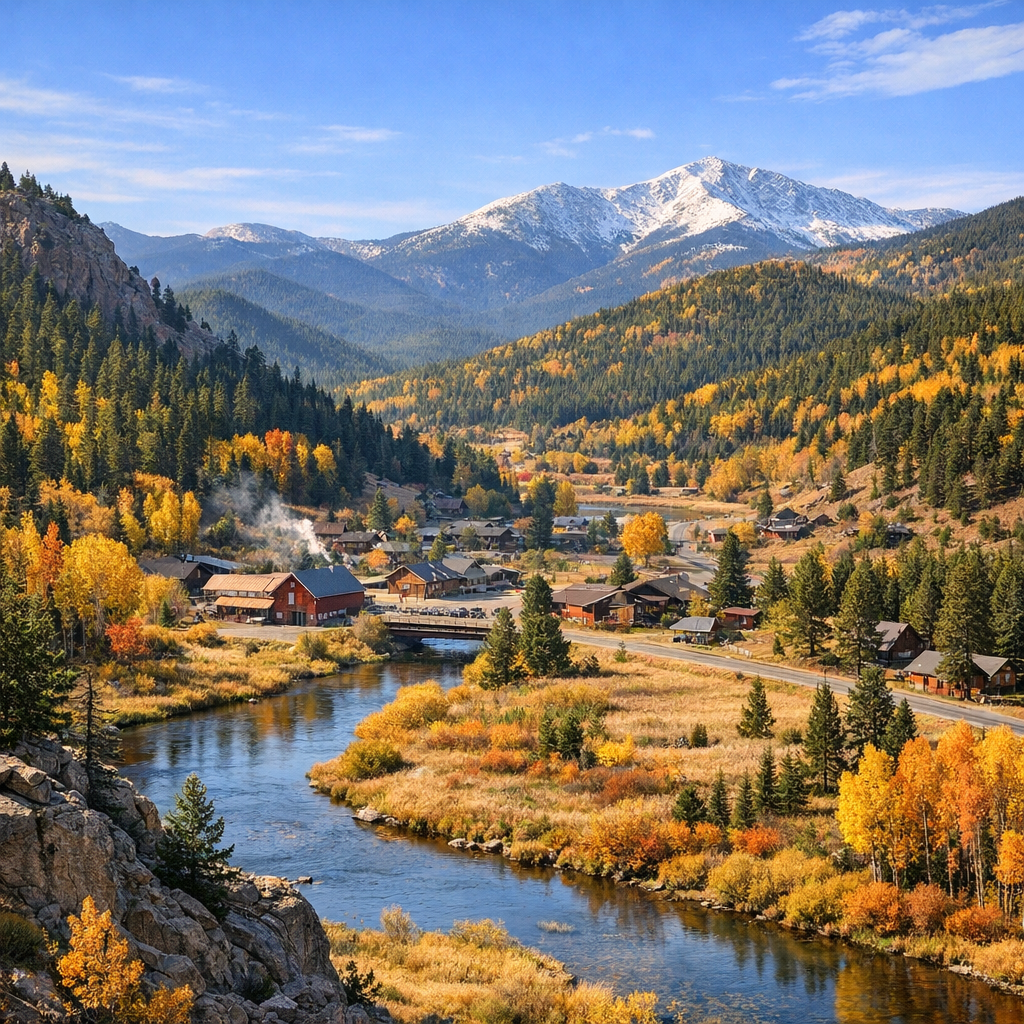
Bailey, Colorado, nestled in the foothills of the Rocky Mountains at an elevation of approximately 7,700 feet, experiences a humid continental climate characterized by cold, snowy winters and warm summers. This elevation significantly influences the town’s weather patterns, offering residents and visitors a distinctive seasonal experience.
Winter: December to February
Winters in Bailey are notably cold, with average high temperatures around 34.5°F (1.4°C) in December, dropping to lows near 15.3°F (-9.3°C). Snowfall is common, contributing to the picturesque winter landscape. Residents should prepare for icy conditions and ensure their homes and vehicles are winter-ready.
Spring: March to May
Spring brings a gradual warming trend, though snow can linger into April. March often sees heavy, wet snowstorms, while May offers milder temperatures, with average highs reaching 59°F (15°C). This season is marked by variability, so layering clothing is advisable.
Summer: June to August
Summers are warm and relatively dry, with average high temperatures peaking around 78°F (26°C) in July. The low humidity and comfortable temperatures make this season ideal for outdoor activities. However, occasional afternoon thunderstorms can occur, so it’s wise to stay weather-aware during outdoor excursions.
Autumn: September to November
Autumn sees a gradual cooling, with September highs averaging 69°F (21°C) and November bringing cooler temperatures around 45°F (7.2°C). The fall foliage provides a stunning backdrop for hiking and other outdoor activities. As temperatures drop, residents should prepare for the upcoming winter months.
Understanding these seasonal patterns helps residents and visitors make the most of Bailey’s unique climate, ensuring safety and enjoyment throughout the year.